

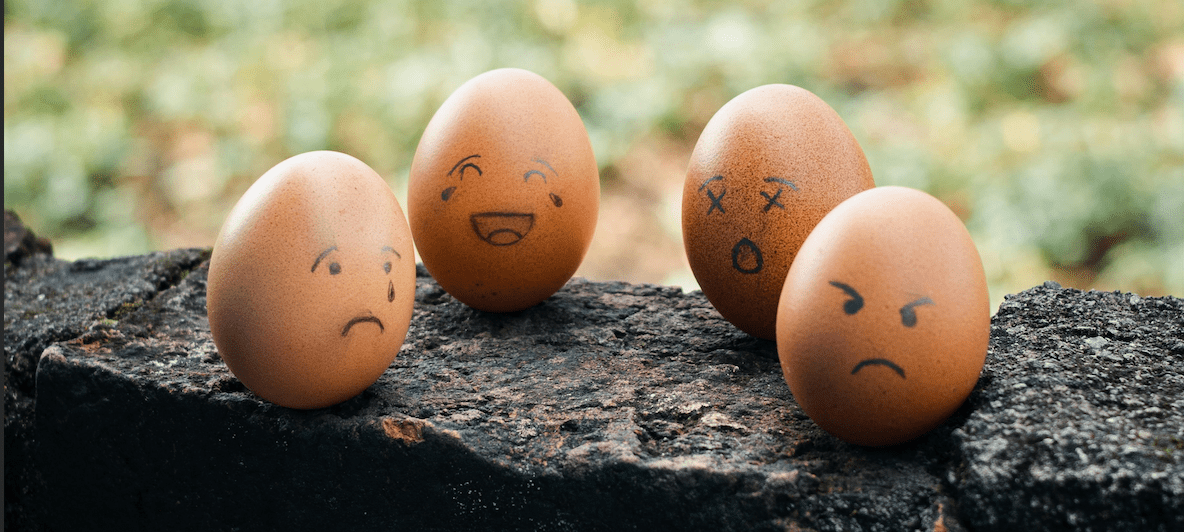
Are you sad or are you depressed? Yes, there is a difference. Having the blues, being down, and feeling “not OK” are part of life. Depression is something different. Like it or not, its recommended that you reach out for help when you are experiencing depression – even if that’s the last thing you feel like doing. Here’s the catch: how do you know the difference?
We checked with the Center for Disease Control’s website to gain some insight. Symptoms of depression include feeling sad, empty, or hopeless often or all the time; not wanting to do activities that used to be fun; weight gain or loss, or changes in appetite; sleep changes; feeling irritable‚ easily frustrated‚ or restless; lack of energy or feeling tired; feeling worthless or overly guilty; trouble concentrating, remembering things, or making decisions; and/or thinking about suicide or hurting yourself. The CDC – and so many healthcare professionals – recommend you talk with your healthcare provider if these continue for two weeks or more, interfere with daily activities, or cause significant distress.
COVID and its aftermath increased awareness of depression and the importance of getting help. But what about those feelings of sadness that come and go, the feelings of isolation, and the increasing feelings of helplessness, given the changes that are happening all around us? More and more people are wondering, “How did things get like this?” Too often, we hear, “the answer is complex.” It is, and so is “the cure.” We recommend a self-care combo: slow down, eat better, rest, exercise, journal, take a walk, talk to a friend, and volunteer with a nonprofit. This last part is the overlooked self-care “special sauce.” Reaching out to others and becoming involved with something bigger than ourselves helps us feel better and increases our sense of connection. If you volunteer for a project or organization on a regular basis, you may find yourself looking forward to upcoming meetings or events. You might reflect – with a smile – on a past experience. You may make a new friend or two.
Nonprofits are a way we collectively bring about change. And making a change can reduce feelings of helplessness. Most nonprofits began as groups of people wanting to make a difference. No matter their size today, most continue to depend on volunteers. As a volunteer, you may end up traveling to another state to help with emergency aid, or you might box up food to give to families in your community. Maybe you will guide a nature walk in a regional park or facilitate Zumba classes at your local senior center. Most importantly, you’ll experience being a member of a team: together, you and others will accomplish that which no one person can accomplish on their own. That’s the thing about life: we need each other. Our nonprofits need you, and believe it or not, you just may need to be involved with a nonprofit. God protect America and the world we live in.
© 2025 Mel and Pearl Shaw, authors of “Prerequisites for Fundraising Success.” We provide fundraising counsel to higher education, nonprofits, and philanthropy. Video conferencing always available. Visit www.saadandshaw.com.